Eastern Caribbean
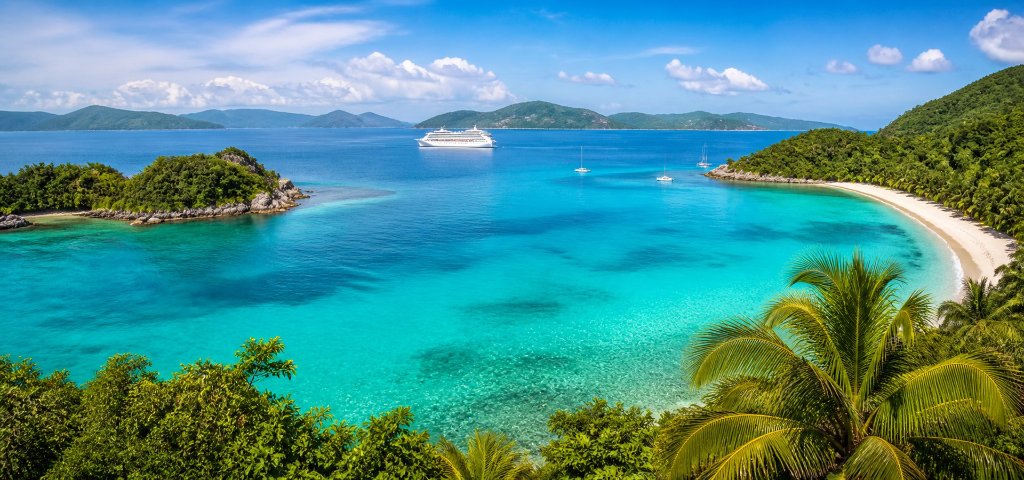
The Eastern Caribbean is the classic postcard circuit: short flights from Miami or San Juan, then days of turquoise shallows, white-sand mornings and duty-free afternoons. Typical seven-night calls include St. Thomas with its harbour viewpoint at Paradise Point, St. Maarten's dual Dutch-French identity, the Bahamas' private-cruise-line islands, and San Juan's colonial old town right beside the pier. Seas are calm, days are close together, and the route suits first-time cruisers and families. Best season is December to April; hurricane season (June to November) brings lower fares with a weather risk worth discussing with our team before booking.
Western Caribbean
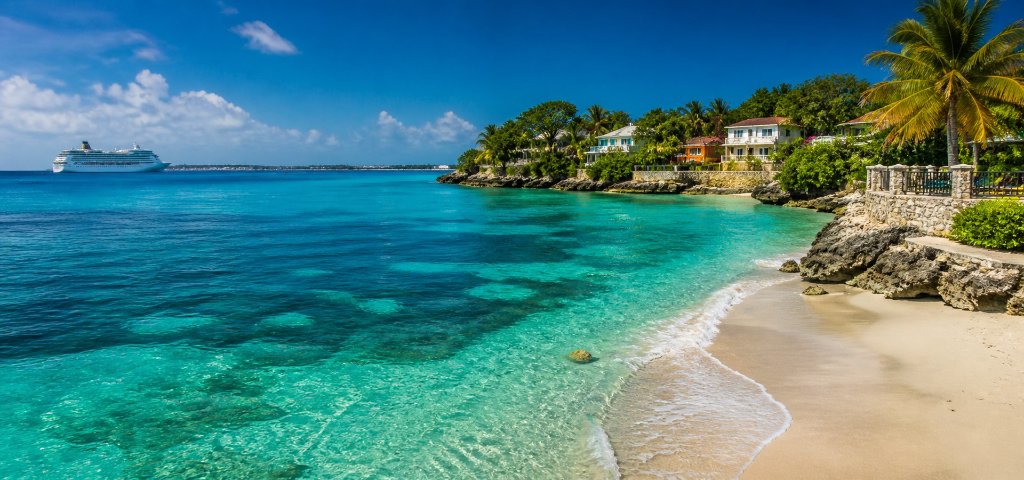
The Western Caribbean trades pure beach time for a richer mix: colonial towns, cenotes, coral walls and Mayan history. From Miami, Galveston or New Orleans the route calls at Cozumel — gateway to the Maya ruins of Tulum and Chichén Itzá — Grand Cayman's Seven Mile Beach and stingray sandbar, and Ocho Rios or Montego Bay in Jamaica, where Dunn's River Falls and Blue Hole swims fill the day. It is the most family-friendly of the three Caribbean belts and pairs easily with a Florida stay before or after the sailing. Departures run year-round; winter offers the calmest seas.
Southern Caribbean
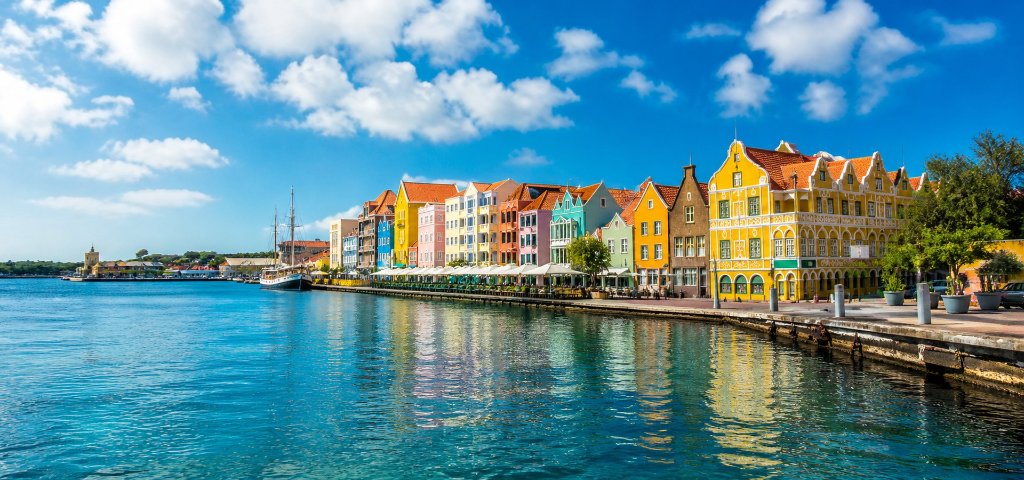
The Southern Caribbean is the quieter, farther-flung half of the sea — reached usually via San Juan, Barbados or Pointe-à-Pitre, and rewarded with the chain's most colorful colonial streets and calmest leeward waters. Aruba brings dry, breezy weather and flamingo beaches; Curaçao's Willemstad is a UNESCO-listed waterfront of pastel facades; Bonaire is the region's diving capital; and Grenada, Antigua and St. Lucia add spice plantations, 365 beaches and the Pitons respectively. Because calls sit farther apart, itineraries stretch to 10–14 nights. The route sits safely below the main hurricane belt, making it the Caribbean choice for summer sailings.
Alaska
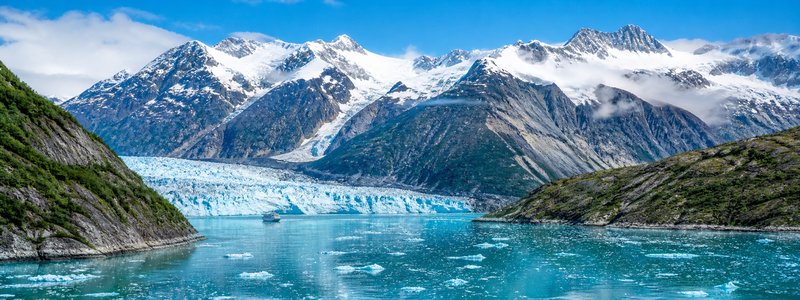
Alaska is the cruise destination that a cruise ship was built for: the Inside Passage between Vancouver and Whittier threads protected channels past snow-capped peaks, calving glaciers and deep-forest islands. Classic seven-day itineraries call at Juneau (whale watching and Mendenhall Glacier), Skagway (Gold Rush railway to the Yukon), Ketchikan (Native heritage and salmon streams) and Glacier Bay or Hubbard Glacier, where the ship pauses for hours amid falling ice. Season is strict — May to September — with June and July offering the most daylight and late August the best wildlife. Balconies sell out first: watching glaciers from a warm cabin is half the experience.
Panama Canal
A Panama Canal transit is the closest thing cruising has to a ceremony. The ship rises 26 metres through three Gatun locks into the jungle-lined canal, crosses Gatun Lake, then descends through the Miraflores locks to the Pacific — a full day of history, engineering and commentary from the open decks. Full transits sail between Florida and California or Vancouver (usually 14–17 nights, autumn and spring); partial transits from Fort Lauderdale cross from Caribbean to Pacific and back in 10–11 nights. Both call at Cartagena's walled old town and Puerto Limón's rainforest railways. The canal's centenary-era expansion now welcomes the newest mega-ships.
Mexican Riviera
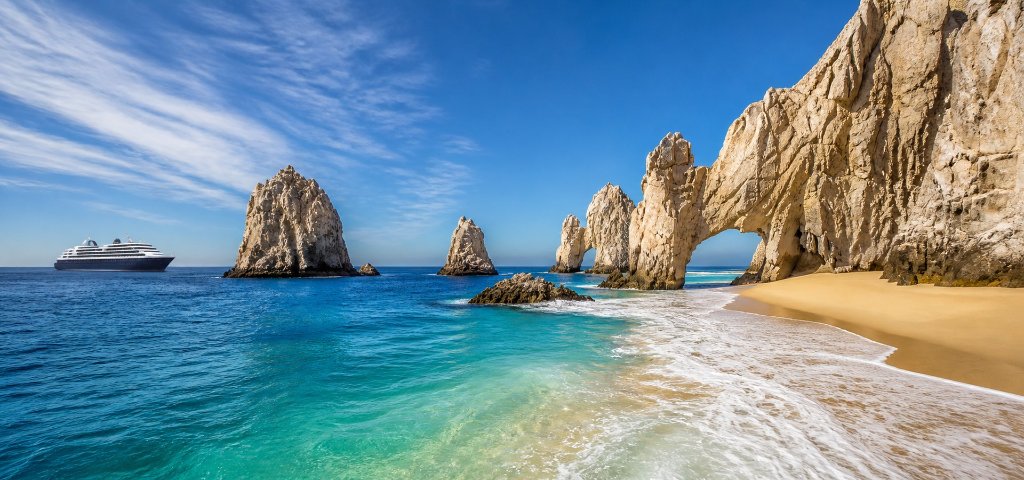
On the Pacific side, the Mexican Riviera is the shortest and most affordable circuit in this region: three-to-seven-night round trips from Los Angeles to Puerto Vallarta, Mazatlán and Cabo San Lucas. Days at sea are few, prices stay friendly, and the winter window (November to April) aligns perfectly with humpback whale season in Cabo's waters. It is the classic first cruise for California families and pairs naturally with a Los Angeles city stay. For international visitors the US entry requirement is the only gate; once aboard, Spanish-language warmth, mar-side markets and golden-sunset decks make it the Pacific's most relaxed sailing.
Galápagos Islands
The Galápagos are the most regulated, most intimate cruise experience on Earth: small ships — legally capped around 100 guests — walking you past iguanas, blue-footed boobies and giant tortoises that never learned to fear humans. Naturalist-led landings happen twice a day on islands like Bartolomé, Fernandina and Española, with snorkelling between them in water shared by sea lions and penguins. Expeditions run seven to fifteen nights from Guayaquil or Baltra, and every visitor must travel with a licensed guide. Strictly limited permits mean cabins sell out a year ahead; the best windows are January to May and the drier June-to-December garúa season. This is a bucket-list sailing in the truest sense.
South America
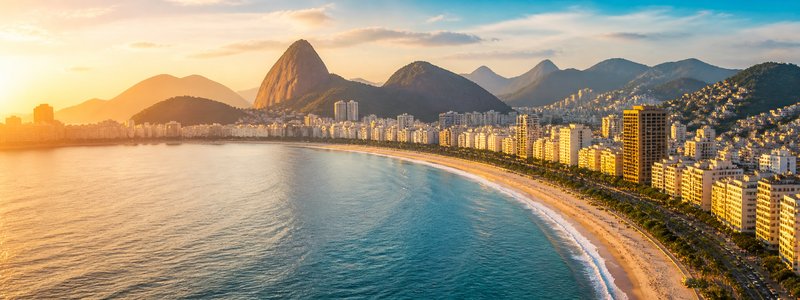
South America cruises travel the continent's dramatic western and southern edges: from Valparaíso's hills above Santiago, the ship sails south through Chile's maze of fjords and glaciers — Patagonia, the Strait of Magellan, and Beagle Channel with its sea-lion colonies — then rounds to Ushuaia, the southernmost city, gateway for Antarctic crossings. Atlantic-side itineraries link Buenos Aires, Montevideo and Rio de Janeiro with Brazil's carnival-season coast. The austral summer (November to March) is the only sailing window, and fares rise sharply for Antarctic-adjacent routes. Portuguese, Spanish and glacial silence share the same fortnight — a cruise unlike any other in this guide.
Transpacific via Panama
The transpacific crossing via Panama is a repositioning epic: a ship leaving the Caribbean world for a new season in Asia or Alaska, and taking passengers along for roughly 15 to 30 days at sea. After the canal transit itself, the itinerary extends through Mexican and Central American ports — Cabo, Acapulco, Puerto Quetzal — before the long open-water legs toward Honolulu, Tahiti or Tokyo depending on the ship's season. Port days are sparse by design; this is a voyage for readers, remote workers and sea-lovers who want the ocean itself as the destination. Fares per night are the lowest in cruising, but book early and pack patience.